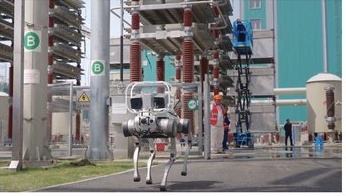

Semiconductor
Factory patrol, utility corridor checks, environmental inspection, and configurable safety or equipment monitoring.
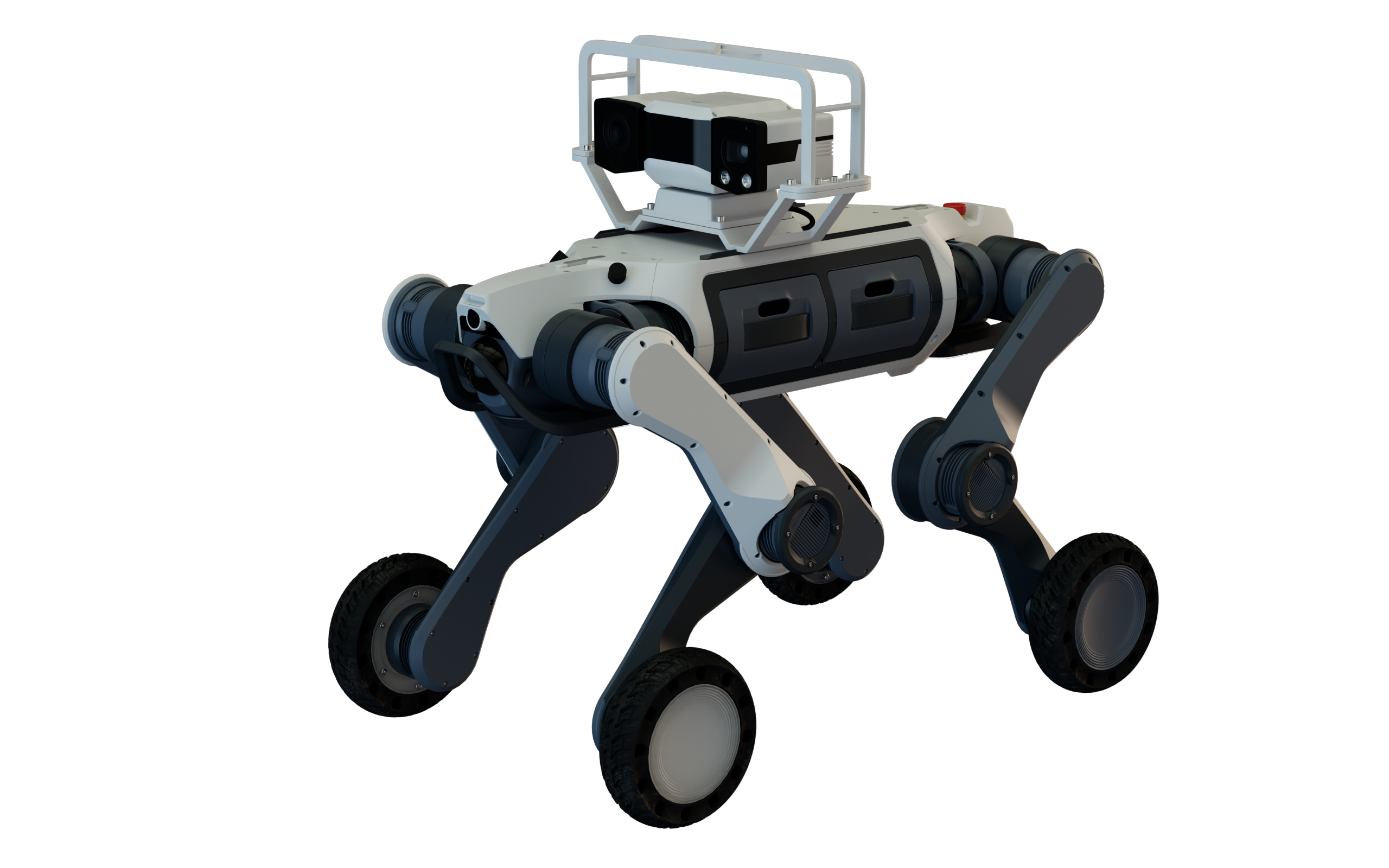
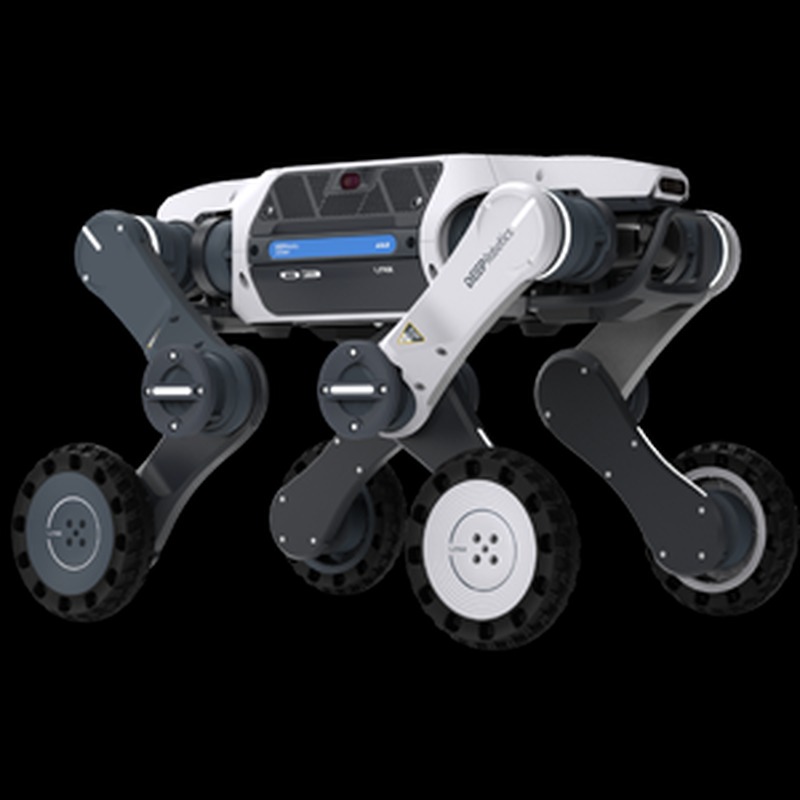
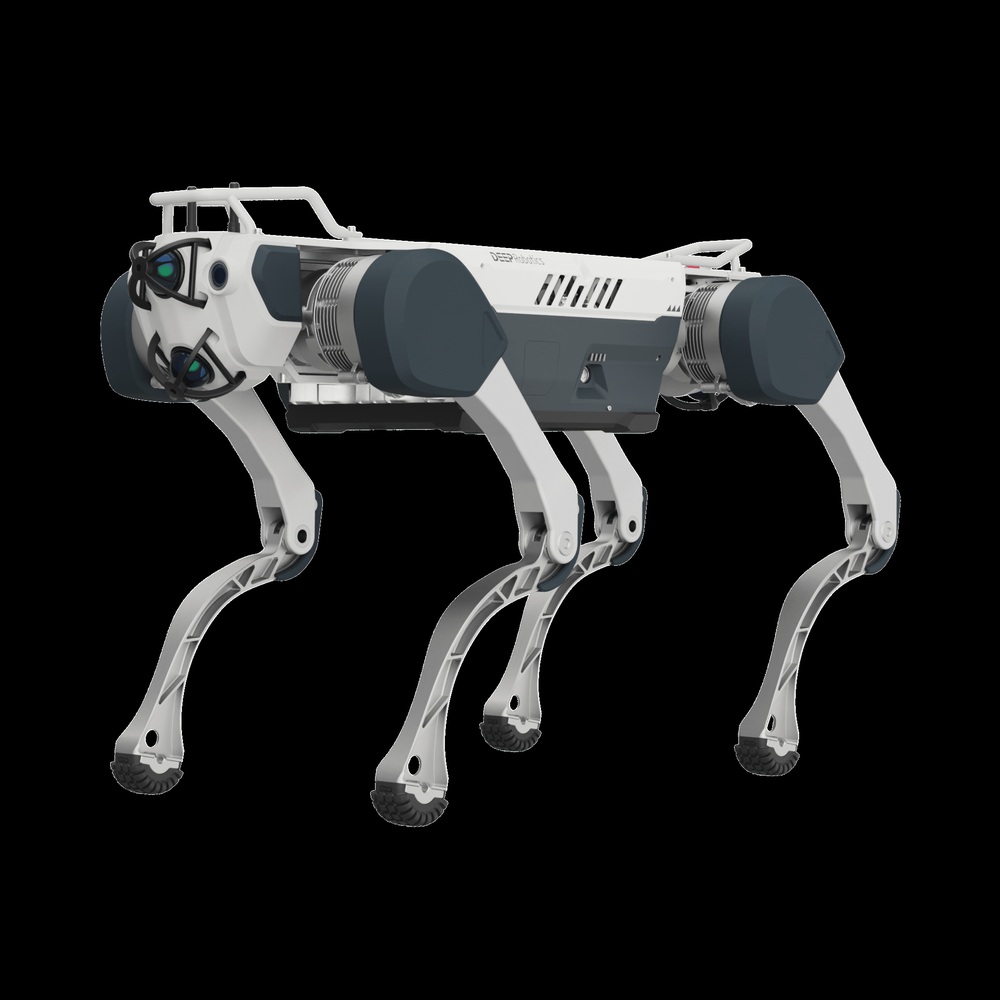
Robots, payloads, AI inspection, and inspection platform for Maintenance, Security and Safety.
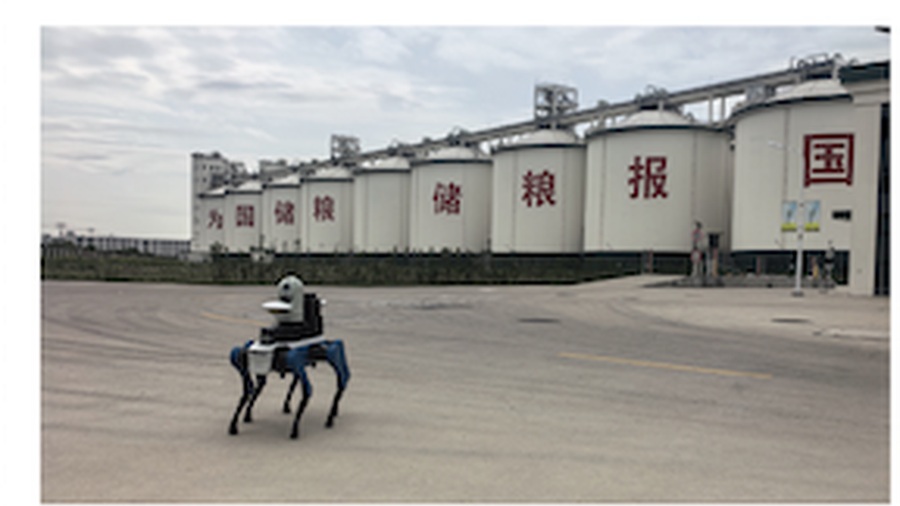
Temperature and humidity checks, smoke and fire awareness, patrol records, and traceable warehouse inspection workflows.
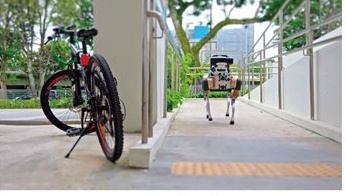

Checkpoint patrol, restricted-area detection, night patrol, parking areas, abnormal stay alerts, and inspection record keeping.
Factory patrol, utility corridor checks, environmental inspection, and configurable safety or equipment monitoring.
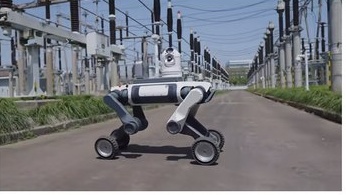

Substations, tailings culvert inspection, hazardous areas, remote routes, equipment states, thermal anomalies, and safety events.
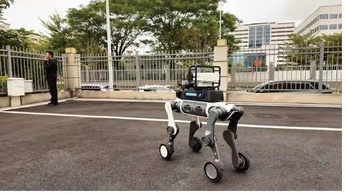

Security patrol, fire passage checks, night patrol, environmental monitoring, vehicle management, and incident verification.
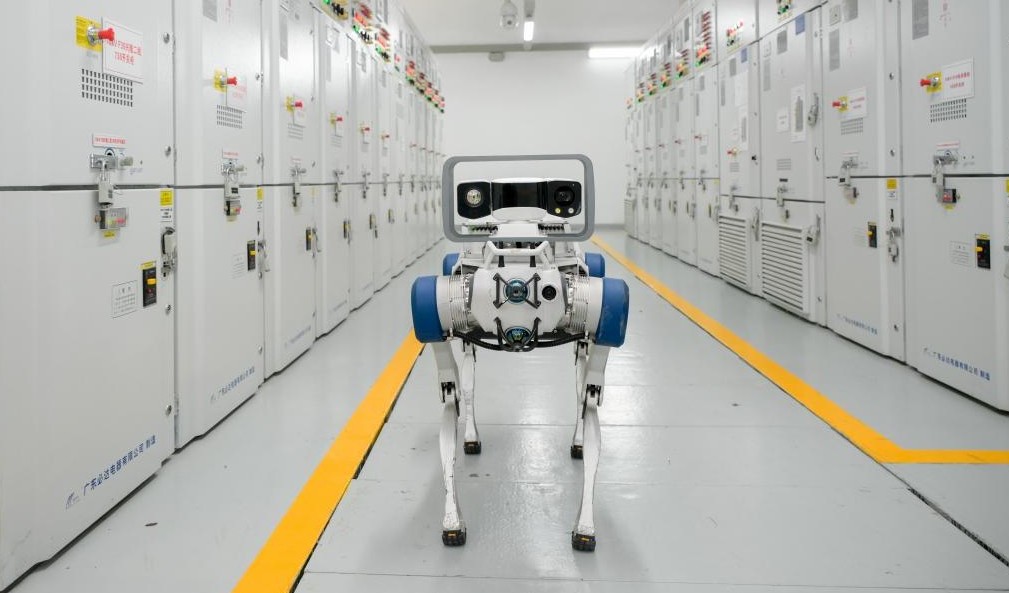

7x24 mobile patrol for IT rooms, cabinets, UPS rooms, environmental checks, thermal imaging, and asset records.
Da Vinci can support grain storage patrols with robot dog mobility, temperature and humidity checks, smoke and fire awareness, route records, and inspection evidence for warehouse operations.
Da Vinci can support campus security and parking-area patrols with checkpoint inspection, restricted-area detection, vehicle checks, night patrol records, and incident evidence.
For energy, mining, and tailings sites, Da Vinci can support robot patrols in culverts, utility corridors, remote routes, and hazardous areas where manual inspection is difficult or risky.
Da Vinci can combine robot patrol, thermal imaging, OCR, environmental sensing, and inspection reports for data centers, equipment rooms, UPS rooms, and cabinet corridors.
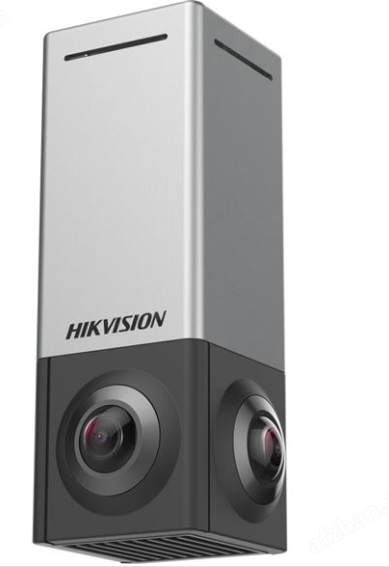
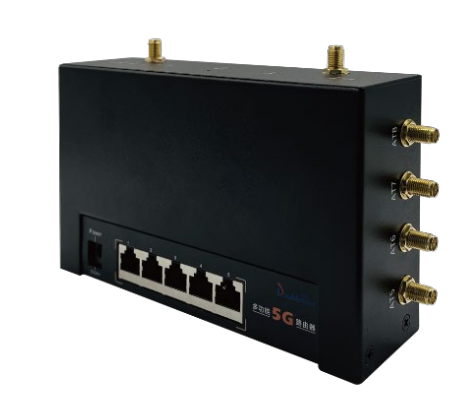
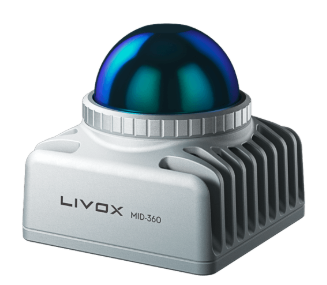

Robot-mounted cameras can capture analog gauges during patrols, allowing operators to review readings remotely and build inspection records without sending staff to every checkpoint.
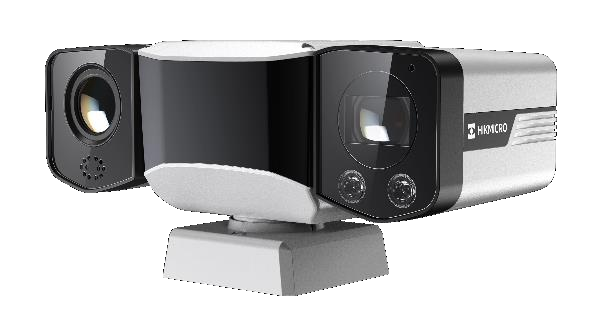
Thermal payloads help operators identify abnormal heat around equipment, substations, facility rooms, conveyor areas, and other assets where early warning matters.
During routine patrols, the robot can identify visible fire and high-risk smoke conditions, then push alerts to the inspection platform for operator verification.
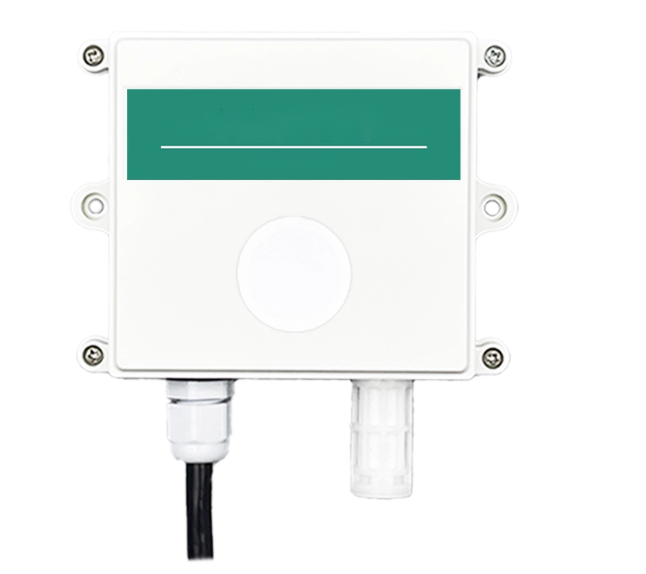
For sub-fab, gas cabinet, chemical storage, and utility routes, Da Vinci can combine mobile patrol with configurable gas sensing and site calibration to complement fixed EHS monitoring points.
Robots can patrol corridors and exits to identify blocked evacuation routes, cluttered passageways, or objects occupying designated safety areas.
For restricted areas and perimeter routes, robots can identify people entering configured zones and trigger alerts for remote verification.
For access-controlled patrol routes, the robot can support face profile recognition and mask-wearing checks, with privacy settings and review workflows configured for each deployment region.
For campuses, commercial properties, and industrial parks, robot patrols can help detect illegal parking, non-motor vehicle parking violations, and misuse of EV charging spaces.
Robot patrols can support detection of visible water accumulation and slippery ground risks across indoor and outdoor inspection routes.
For semiconductor sub-fab and utility corridors, mobile inspection can help check visible chemical, pure-water, and wastewater leak risks along pipe routes, tanks, scrubbers, and equipment perimeters.
For factories, campuses, and utility areas, Da Vinci can configure AI-assisted checks for PPE, restricted-area entry, visitor anomalies, and unsafe behavior around equipment or perimeter routes.
For IDC rooms, the robot can capture UPS screens, PDU displays, environmental panels, and power cabinet readings along planned routes, then support OCR recognition and threshold comparison.
For semiconductor facilities and utility areas, the robot can capture status lights, equipment panels, flow meters, and screen readings on legacy equipment that lacks direct sensor interfaces.
For pumps, compressors, chillers, vacuum systems, and other utility equipment, Da Vinci can combine route-based capture with vibration or audio sampling to support trend review and early anomaly discovery.
The robot can support auxiliary rack inventory workflows by capturing QR/RFID tags, device labels, serial numbers, and rack position states for manual review or automated comparison.
Survey the site, define inspection routes, checkpoints, network conditions, and charging position.
Configure inspection points, task schedules, payload rules, thresholds, and reporting requirements.
The robot follows planned routes and checks inspection points in real time.
Inspection results are uploaded to generate alerts, records, and site reports.
The robot returns to its charging station and prepares for the next inspection cycle.
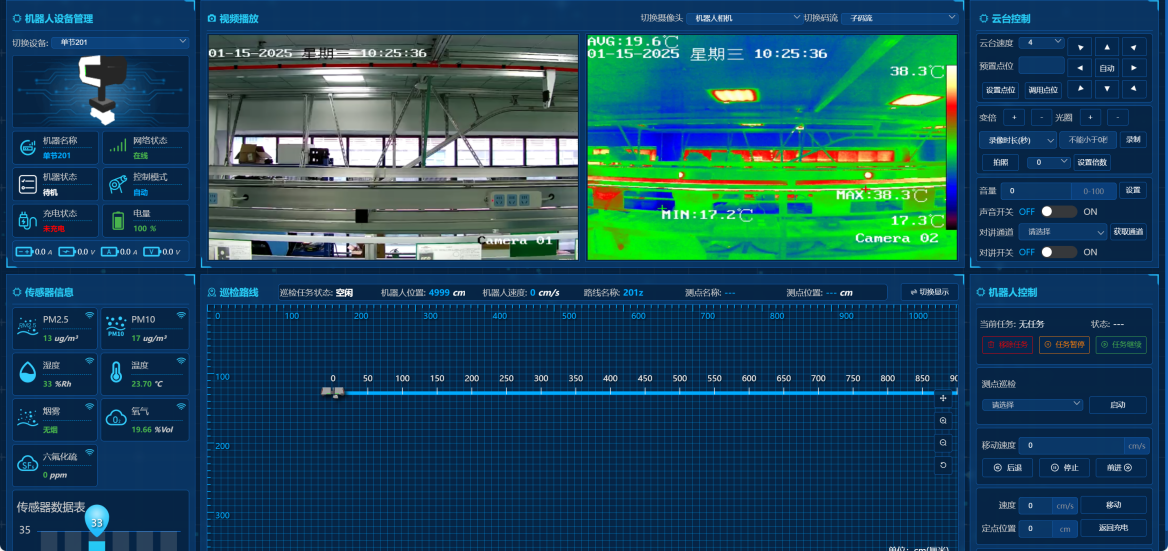 Control center · real-time video and thermal imaging
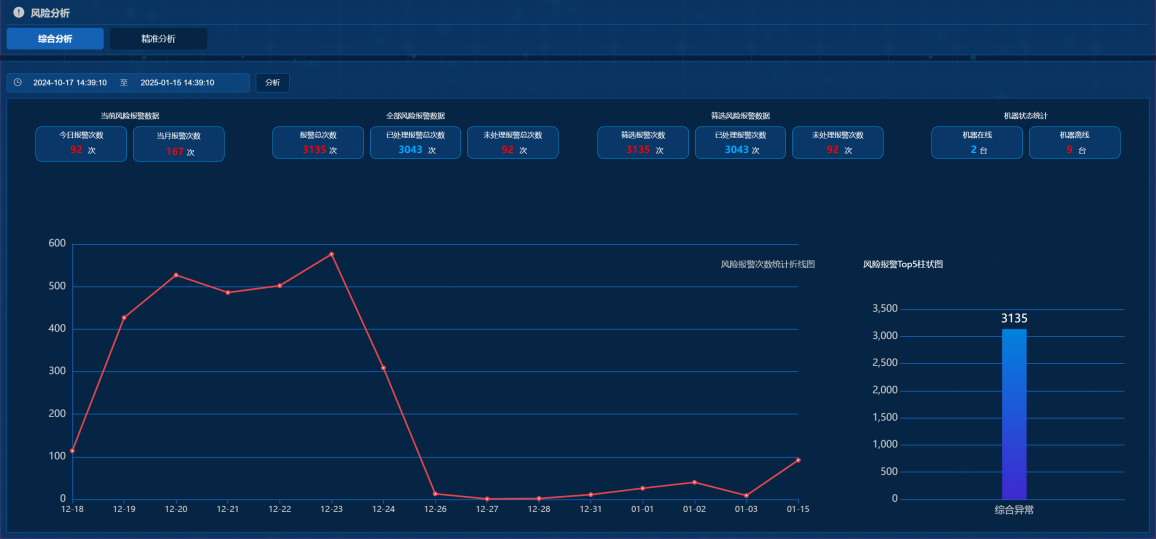 Risk analysis · trend and alert distribution